RUS
RUS
 EN
EN

Material
Introduction to NIHPGCM
NIHPGCM stands for Nano Inorganic High Polymer Geological Composite Material. It is the outcome of long-term study, research, and simulation of Earth's rock-forming principles by Feiyi Co., Ltd. in collaboration with universities and research institutions in the fields of materials and mining, such as Wuhan University of Technology and Central South University, focusing on the resource utilization of solid waste. It enables "local sourcing, compaction into rock, and turning waste into treasure." This technology can convert various types of mine (coal, metal, chemical) tailings and smelting slag generated during mining and metallurgical processes, various silicate substances in nature (soil, sand, silt, etc.), and other solid waste materials from industrial production into primary materials for various engineering applications. These include road construction (highways, intercity, urban and industrial park roads, airport runways, rural roads, etc.), industrial plant ground hardening, port and wharf yard construction, as well as applications in the construction sector such as dam engineering and unfired brick manufacturing. It aids in achieving the "harmless treatment, reduction, and resource utilization" of bulk solid waste.
I. Material Principle Explanation
1. Basic Principle
Using cement as an alkali-activated catalyst, the alkaline activation catalytic function of calcium (Ca) atoms in cement is utilized to form a covalent bond network space, rather than simple cementation.
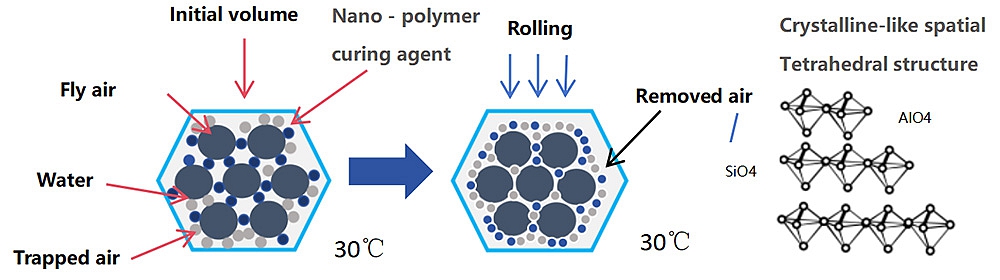
Learning from Earth – Simulating natural rock formation mechanisms, using nano inorganic polymer stabilizer + cement as an alkali-activated catalyst.
Polymerization Reaction – Assembling a stable "crystal-like tetrahedral" geopolymer network structure through polymerization reactions, achieving excellent cementitious performance.
Primary Materials – Combining base materials rich in aluminosilicates, such as soil, tailings, fly ash, and other solid wastes, and slag.
2. Material Characteristics
Strong Adaptability of Main Materials – Formulas can be adjusted according to different types of base materials composed of tailings, industrial solid waste, etc.
Strong Interfacial Bonding Force – Tight bonding between molecules and with aggregates, seamless, and no internal cracking.
Strong Corrosion Resistance – Resistant to acids and alkalis, adaptable to various harsh environments.
Superior Environmental Performance – The final geopolymer material is alkaline (pH >7), conducive to environmentally harmless disposal.
Excellent Mechanical Properties – Fast hardening, high strength, suitable for rapid road construction and site hardening.
Low Permeability – Strong sealing performance, good waterproofing effect.
Low Shrinkage/Expansion Rate – Stable volume, less prone to thermal expansion and contraction.
Fire Retardant – Low thermal conductivity, can improve road safety.
3. Environmental Advantages
Alkaline Environment – The entire polymerization process is completed in an alkaline environment, effectively neutralizing acidic and toxic components.
Moisture Locking – Locking moisture from tailings and solid waste inside the material in the form of covalent bond hydrates, preventing pollution of the surrounding environment.
Customized Treatment – Conducting physical and chemical tests for each mineral, formulating neutralization formulas to ensure environmental and construction effectiveness.
Efficient Encapsulation – Metal ion encapsulation efficiency exceeds 95%, effectively reducing permeability and achieving non-toxic disposal.
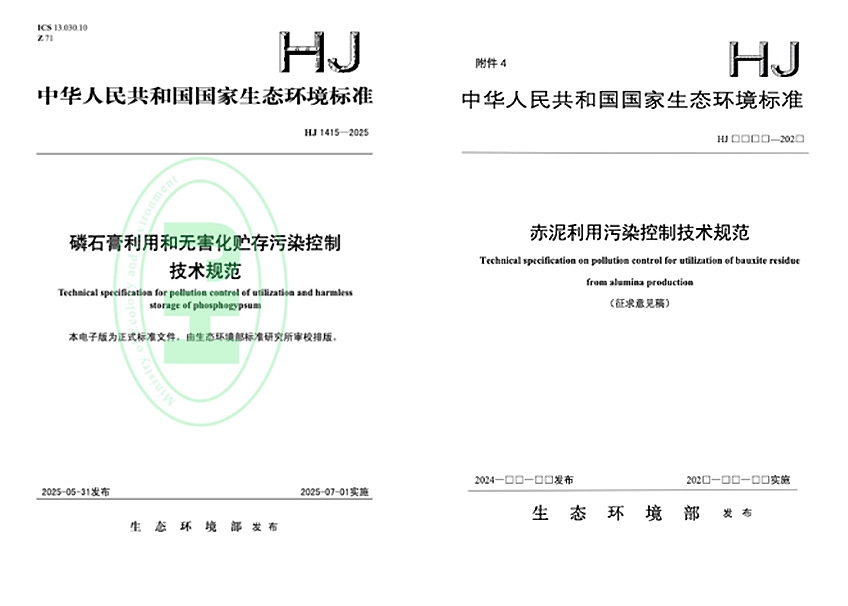
NIHPGCM fully complies with the "Technical Specification for Pollution Control of Phosphogypsum Utilization and Harmless Storage" and the "Technical Specification for Pollution Control of Red Mud Utilization (Draft for Comments)" already issued by China's Ministry of Ecology and Environment.
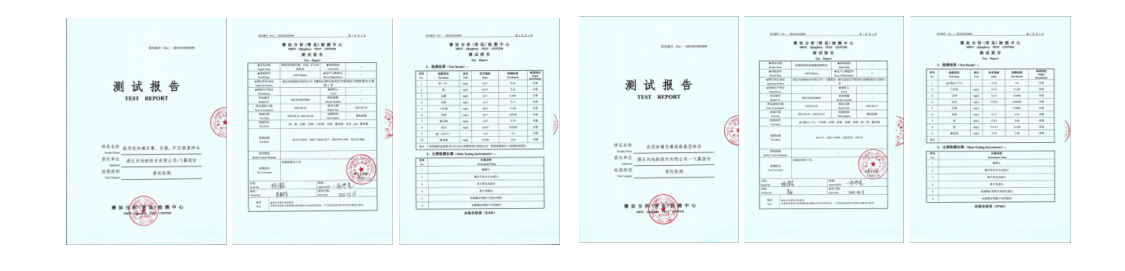
Through mandatory leaching experiments on phosphogypsum and red mud, it has been verified that after treatment with NIHPGCM, phosphogypsum and red mud have been completely detoxified. All test samples and core extraction mandatory acid leaching component tests were conducted in accordance with Chinese national and industry standards (HJ557-1010, GB/T14848-2017, GB8978-1996, JGJ63-2006) for acid leaching tests on vanadium, molybdenum, total selenium, hexavalent chromium, total arsenic, fluoride, total mercury, and other items. The results show that the detection results for all items meet and are superior to Chinese national standard requirements. Among them, the fluoride content far exceeds the 10mg/L standard for industrial water use, already reaching the secondary or even primary 1mg/L standard for drinking water.
4. Application Scenario Explanation
Main Application Scenarios – Road Construction & Cost Composition of Conventional Roads
Conventional road structure is simply divided into subgrade and pavement. The subgrade is usually compacted soil. The pavement layer is subdivided into subbase, base course (cement-stabilized base), and surface course.
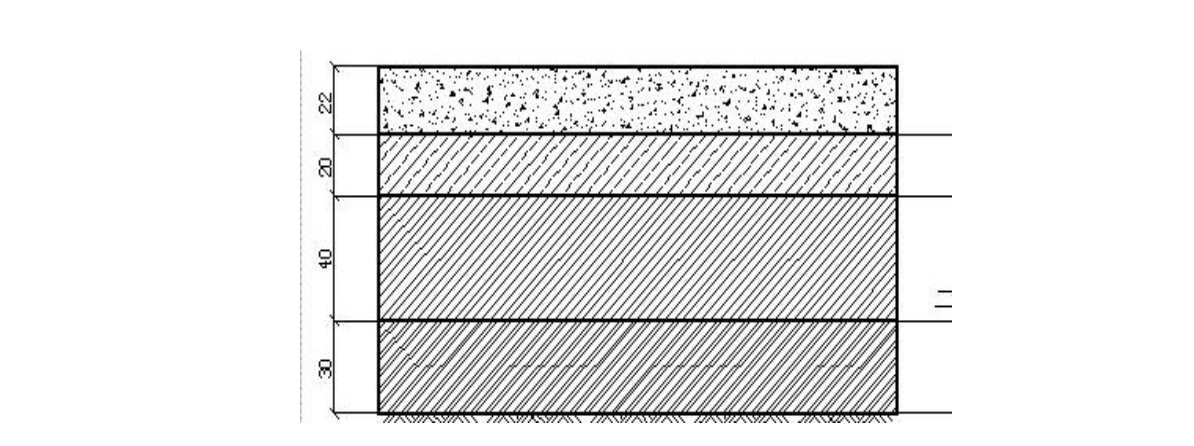
Cement-Stabilized Aggregate Base (Cement-Stabilized Base Layer): A semi-rigid road structural layer formed by mixing, spreading, and compacting cement, graded aggregate, and water. Located below the asphalt surface course, it bears the main vertical load transfer function, possessing high strength, rigidity, and stability.
Main materials: Cement, graded aggregate, etc.
7-day unconfined compressive strength: 1.5~4.0 MPa.
Subbase: A structural layer between the base course and the subgrade. When the subgrade's water stability condition is poor, it is used to improve the subgrade's water stability, enhance the water stability and frost heave resistance of the pavement structure, and distribute loads to reduce subgrade deformation. Therefore, it is usually set when the subgrade's moisture and temperature conditions are unfavorable. The strength requirement of subbase materials is not necessarily high, but their water stability must be good.
Main materials include two categories: granular materials and inorganic binder stabilized soil. Granular materials include natural gravel, coarse sand, slag, etc.
Strength grade is typically 10 MPa (higher is better).
NIHPGCM can utilize mine tailings, industrial solid waste, and other natural substances as the main material. After adding a small amount of cement and compacting with a road roller, the alkali-activated exothermic reaction generated by the cement disrupts the original molecular structure. Under compaction, a new stable tetrahedral structure forms, molded in one step to replace both the base and subbase courses. This enables rapid completion of road construction, achieving traffic opening in as fast as 24 hours, far exceeding the 7-28 day curing period of traditional road construction.
Compared to traditional road construction processes, the entire construction project only requires three main steps: Mix, Spread, Compact. The materials are fully and uniformly mixed, with different mixing methods and sequences used for different construction scenarios. After NIHPGCM is fully and uniformly mixed with the materials, only compaction by a road roller is needed to initiate the alkali-activated reaction within the material.
Advantages Compared to Traditional Road Construction:
Cost Saving – Eliminates a large amount of primary material procurement and transportation costs, saving significant material procurement expenses.
Rapid Traffic Opening – Leveraging the fast-hardening特性 of NIHPGCM, traffic can be opened within 24 hours (fastest) after construction completion.
No Expansion Joints Required – Due to the action of NIHPGCM, the material overall exhibits inorganic properties with almost no deformation, thus eliminating the need for预留 expansion joints.
Strength Enhancement – The hardness of the entire pavement gradually increases with age and repeated vehicle compaction due to the action of NIHPGCM.
Maintenance-Free – Minor damage caused by impact and metal scratches can self-repair, achieving one-year maintenance-free operation.
Case Introductions
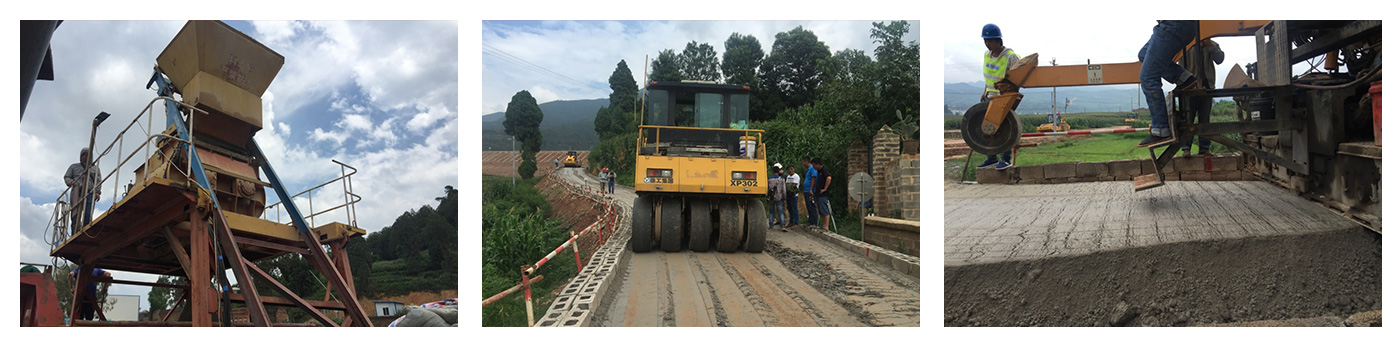
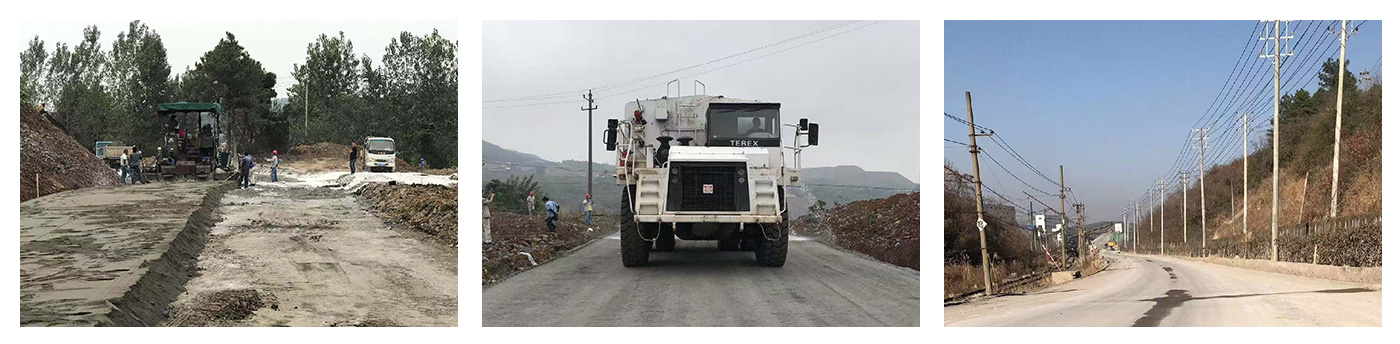
Yunnan Wuyi Expressway – Nano-Assembled Phosphogypsum Road Base Course Project (Main Road + Service Road)
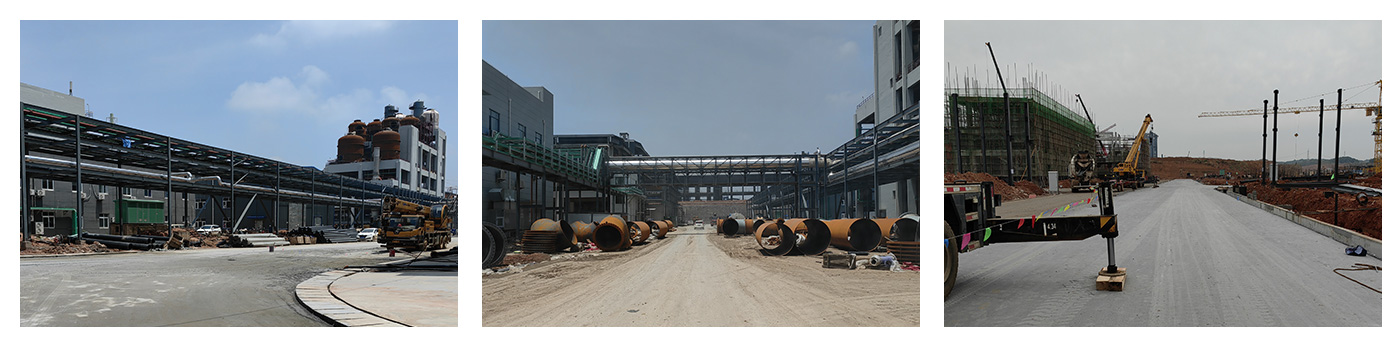
Yuntu New Energy Materials (Jingzhou) Co., Ltd. located in Lin'gang Industrial Park, Lexiang Street, Songzi City, Hubei Province.
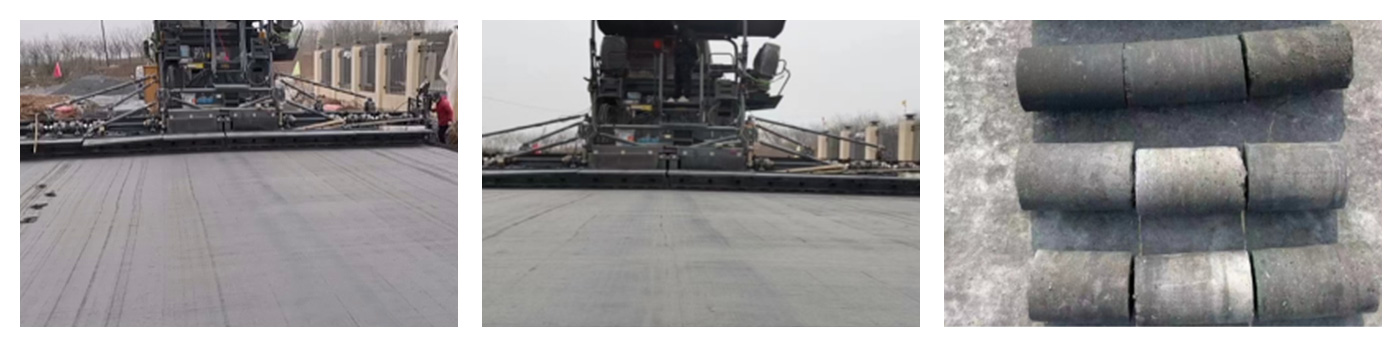
Xiangyang "Two Centers, Two Bases" Longitudinal Road 1 – Application of Nano-Assembled Phosphogypsum Hydraulic Road Base Course Material.
Baowu Resources Ma'anshan Nanshan Mining Company – 3 km Mine Haul Road.
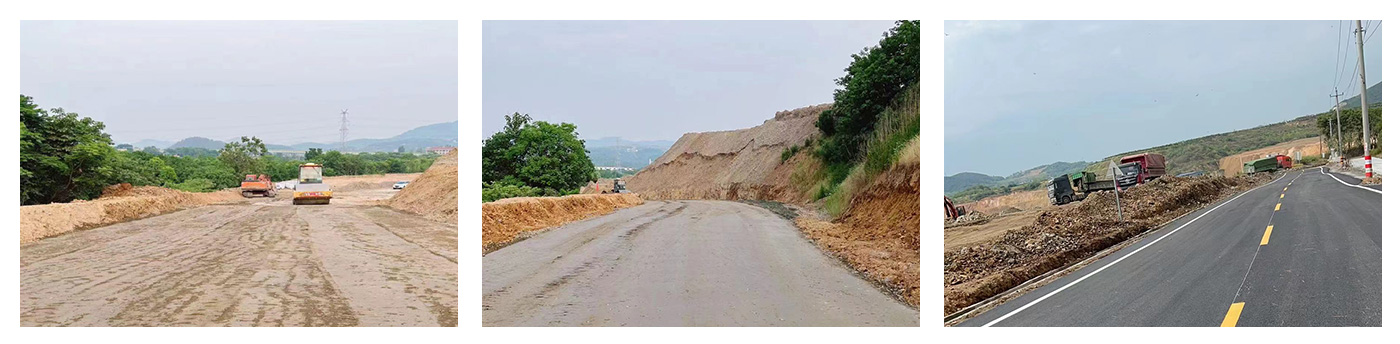
Watering Operation After Construction of a Mine Road.
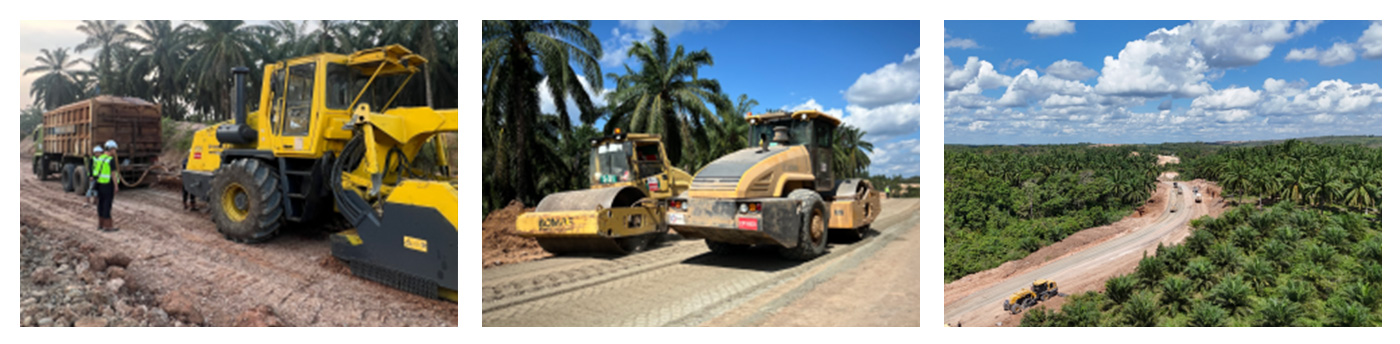
Self-developed "Laterite-Nano Geopolymer Material Technology"
converted the laterite from the coal mine area of Indonesia's RMK Group into a high-performance road base course material, creating a benchmark "zero purchased aggregate" mine road. The test road section is 300 meters long and 10 meters wide, one of the worst-conditioned sections in the entire mine road, intentionally selected by the client to test our material technology. Due to the soft original subgrade, the road was constructed in two layers: base course (30 cm thick) and surface course (35 cm thick). The average cement usage was 8-10%, nano-material usage was only 0.3-0.5%, with the rest being locally sourced free laterite, saving material costs while simplifying construction processes and improving construction efficiency.
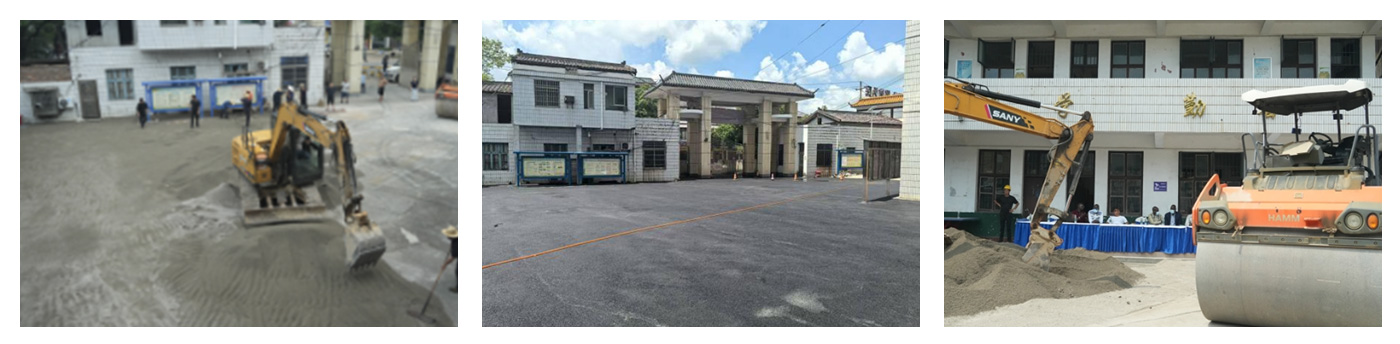
NIHPGCM Application in the Construction of Huaminglou Hope Middle School Playground.
The playground of Huaminglou Hope Central School used 2/3 sand aggregate NIHPGCM mixed material and 1/3 phosphogypsum mixed material. A Guinea delegation observed the playground construction.
Address:FENY Industrial Park, Chuangye Avenue, National Economic and Technological Development Zone, Ningxiang City, Hunan Province Site Map Company information Certificate of registration Technical support : Network victory.